Earlier this week I read the tragic account of the Ethiopian Airlines plane crash that killed over 157 people. Prior to last year I’m not sure the story would have meant much more to me than just another world tragedy, but since then I’ve flown on that same airline out of the Addis Ababa airport twice, and so as if often goes, the news captured my attention in a much more personal way.
Ten months ago I spent a week in Chad with four other brave souls running a kids’ camp for a group of missionary kids. It was hot, exhausting, and fantastic. Before we left I had looked on the calendar and noticed that we would be visiting the predominantly Muslim country during the month of Ramadan: a month of long, sweltering, triple-digit days. Because our task was to minister to Westerners and we didn’t get to spend much time around the locals, it didn’t really affect us. However it wasn’t lost on me that while our team had practically made a part-time job out of ensuring that we each drank copious amounts of cold, clean water, the most devout Chadians all around us had been refraining from even swallowing their own saliva.
Now, at the end of our week, and as we boarded the first leg of our 2-day journey home, I wondered how some Americans would react to a plane full of men and women covered head to toe in jelebeeyas and burqas. Near the front of the plane one woman had on black gloves to accompany the rest of her black garments, leaving only her eyes narrowly exposed. I wondered what she might look like under there and if she had any idea that her clothing had sparked such conversation around the world. During the past week in Chad I had learned a little from the missionaries about Chadian culture and had struggled clumsily to keep a scarf securely wrapped around my head whenever we were out in public.
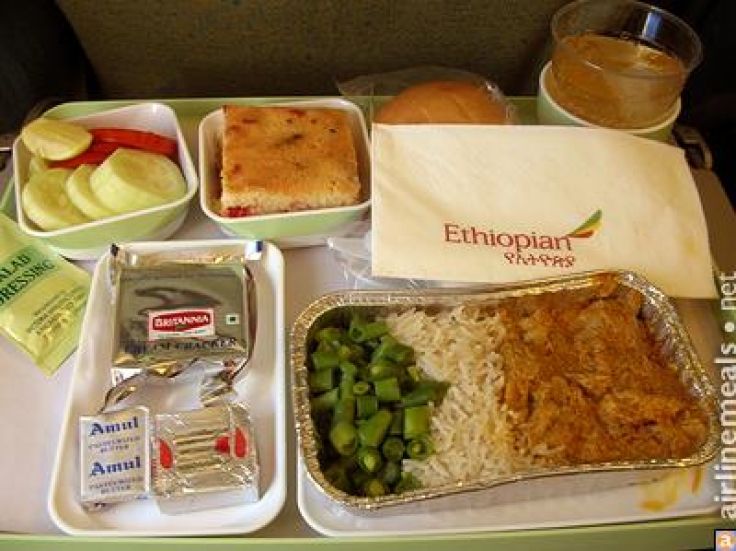
Every morning in those precious few moments between awakening and climbing out of bed I had enjoyed the different smells and sounds that accompanied sleeping next to an open window: the smoky remnants of nightly garbage fires, the happy but undecipherable sounds of children walking to school, and the crowing of roosters off in the distance. These all felt much more exotic than the traffic I can hear from my climate-controlled bedroom at home. Every evening in Chad we heard the nightly call to prayer, haunting tones echoing out over the city, and several times we had been caught in the tight throng of rush hour traffic, trapped with thousands of hungry people hurrying home to begin eating their way through the dark hours of the night. As I sat on the plane between my sleeping teammate and an African gentleman dressed all in white, I began to wonder what time the fast ends when you’re flying between multiple time zones. Soon the flight attendants came through with meals for the non-Muslims among us and I ate my mediocre airplane food quickly and with some guilt, knowing that the man next to me, and many others all around, were probably quite hungry.
As I thought about him, it occured to me that we couldn’t be more different. In addition to our genders, we also had no common language, culture, or religion. I had tried to communicate earlier when he got to his seat to say hello, but it had been rather futile. Suddenly several of the men across the aisle began to check their watches. A few of them pointed at their wrists and then tried to wave down the flight attendants. Soon there was much commotion and a handful of men and women began walking through the plane handing out dates from their personal bags and boxes. Even the gloved woman I had noticed earlier was eagerly handing out, to anyone who would take one, the traditional sweet treat which signals the breaking of each day’s fast. As the second round of meals were delivered to those who had skipped the first, I recalled the one phrase I knew that might be useful, “Ramadan Mubarak.” And as I said this with a smile to my seatmate his face signaled a somewhat surprised but pleased recognition. Perhaps this is the reason for what happened next. Or maybe, my neighbor was merely engaging in a transaction: more good deeds equals more favor from Allah. While I won’t ever know his motivation, I was fairly blown away when this man who had been fasting all day insisted on offering me a portion of his meal, despite the fact that he had just watched me consume an identical meal only an hour earlier. To be honest I’m a bit of a germaphobe when it comes to sharing food, rarely eating anything offered from even my kids’ or my husband’s plate, so to take food from a total stranger on a plane would seem quite preposterous, and yet ultimately that’s exactly what I did. It became very clear to me that my infinite refusals would be perceived as rude and so I ate a few extra pieces of airplane chicken, vividly aware that this entire experience was something quite unique. And because I believe moments like this catch our attention for a reason, I listened to find out what I needed to learn.
Over the last several years I have come to have a great love and respect for people of the Muslim faith. And while I hold fast to the conviction that what Jesus said is true- that He alone is the way, the truth, and the life- I believe we can find much in common with people who believe in one God and who deeply desire to be obedient. As I sat there with a stranger’s food in front of me I was never more sure that God’s love extends to all people, and that he desires to channel some of that love through me. I know it sounds like a cliche, but I left the plane that day feeling a bit like the Grinch at the end of the movie, my heart growing to barely fit in my chest. What an amazing God who tells us to love others and then gives us the very love with which to carry it out. Now, when I see a woman in the store with a head scarf I make a point to smile. I relish the relationships I am building with several young mothers from Afghanistan in our weekly English lessons. I go out of my way to let my Muslim neighbors know that I am so glad to have them living next door. And above all, I continue to pray that they would come to understand that it isn’t their diligence, sacrifice, or obedience which will earn their way to God’s presence. Jesus has already paid that price with his life and in his presence we can find rest.

 What I've learned so far...